photograph by Phil Arnold
Research and Teaching
Drawing an Unknown World (studio)
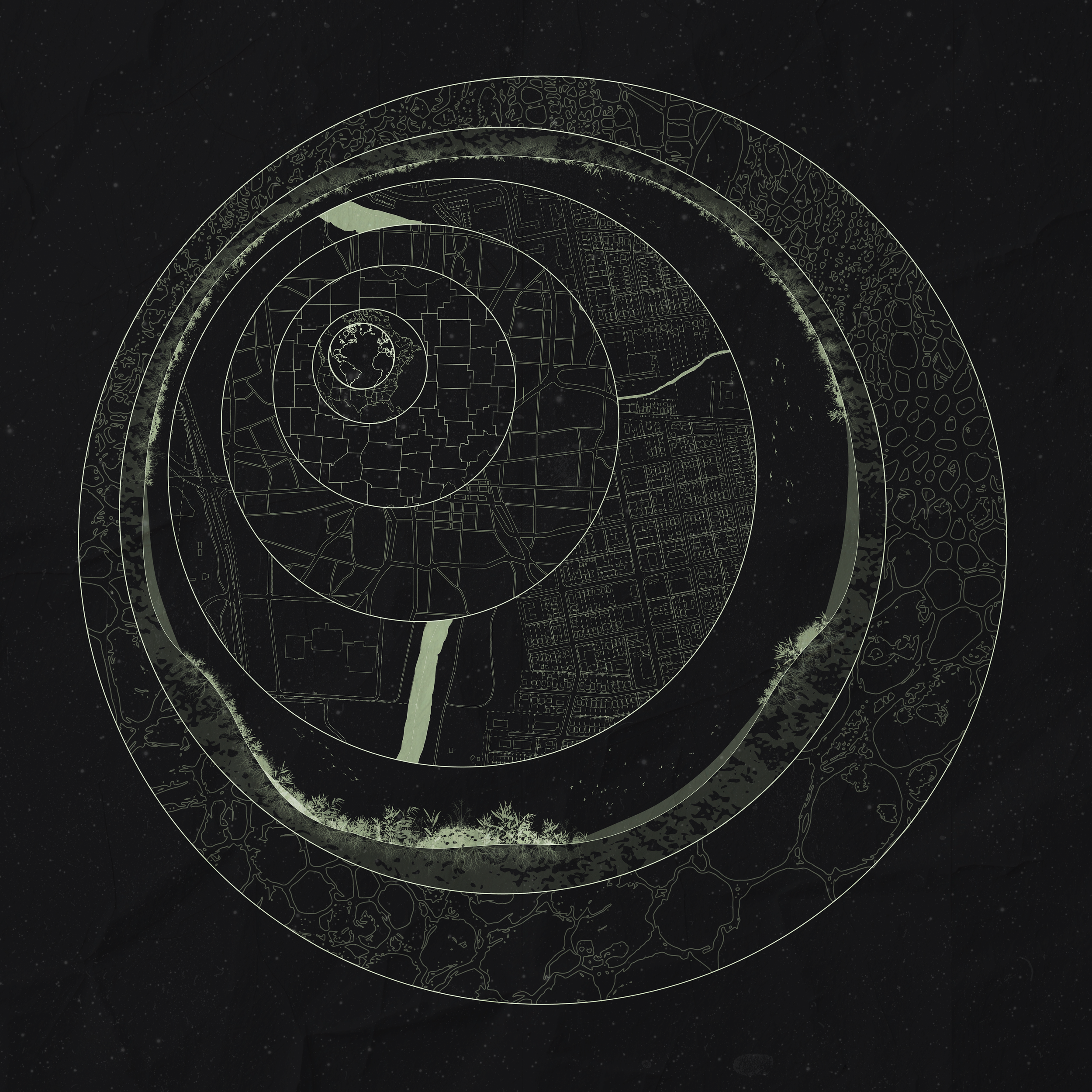
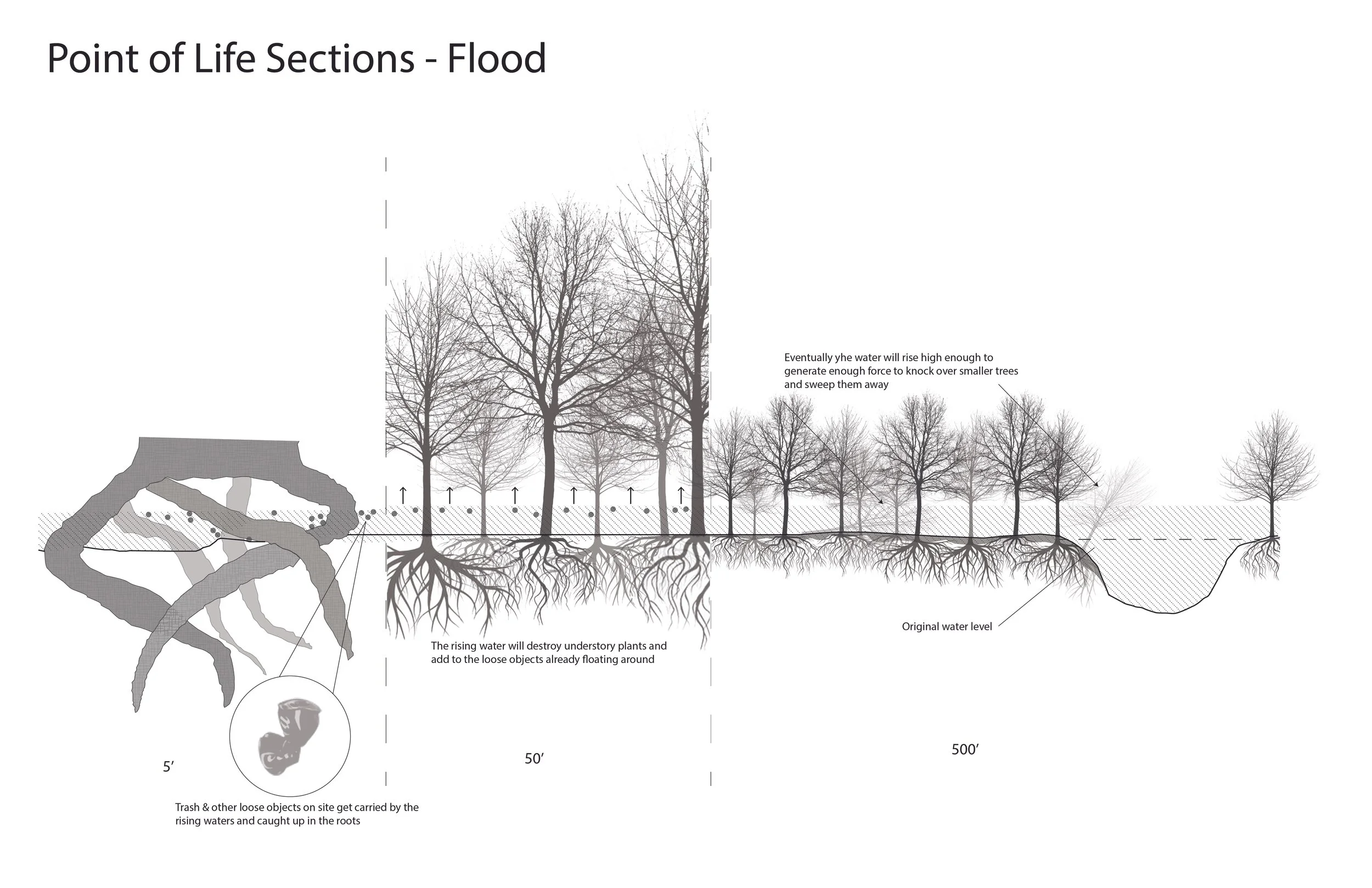
description: Landscape architecture tools, operations, and practices should endeavor to meet urgent and necessary ecological challenges that face the living world. Our ability to represent places through drawing and mapping is a unique quality we bring to planetary, regional and local spatial realities, and futures. These ways of doing landscape architecture can make scaler moves, and thread narratives through spatial data, a special skill! In this studio we will use and experiment with cartographic strategies to develop design proposals that address current and future scenarios for Columbus’ river system. While getting to know a section of the river, its surroundings, and inhabitants – both human and more-than-human – we will initiate our cartographic experimentation as a studio by reading and taking up the explorations from the book Terra Forma: A Book of Speculative Maps. This text will take us on a journey of mapping beginning with the soil, to the perspectives of animate beings within the landscape, interactions, the re-framing of borders, and time as a geographical element all to understand how the intertwining of living things implies rethinking how we use this Earth. It is from this stance that we will imagine possible futures amid artifacts, scars, and damage and finally propose designs that contribute to a more habitable river system.
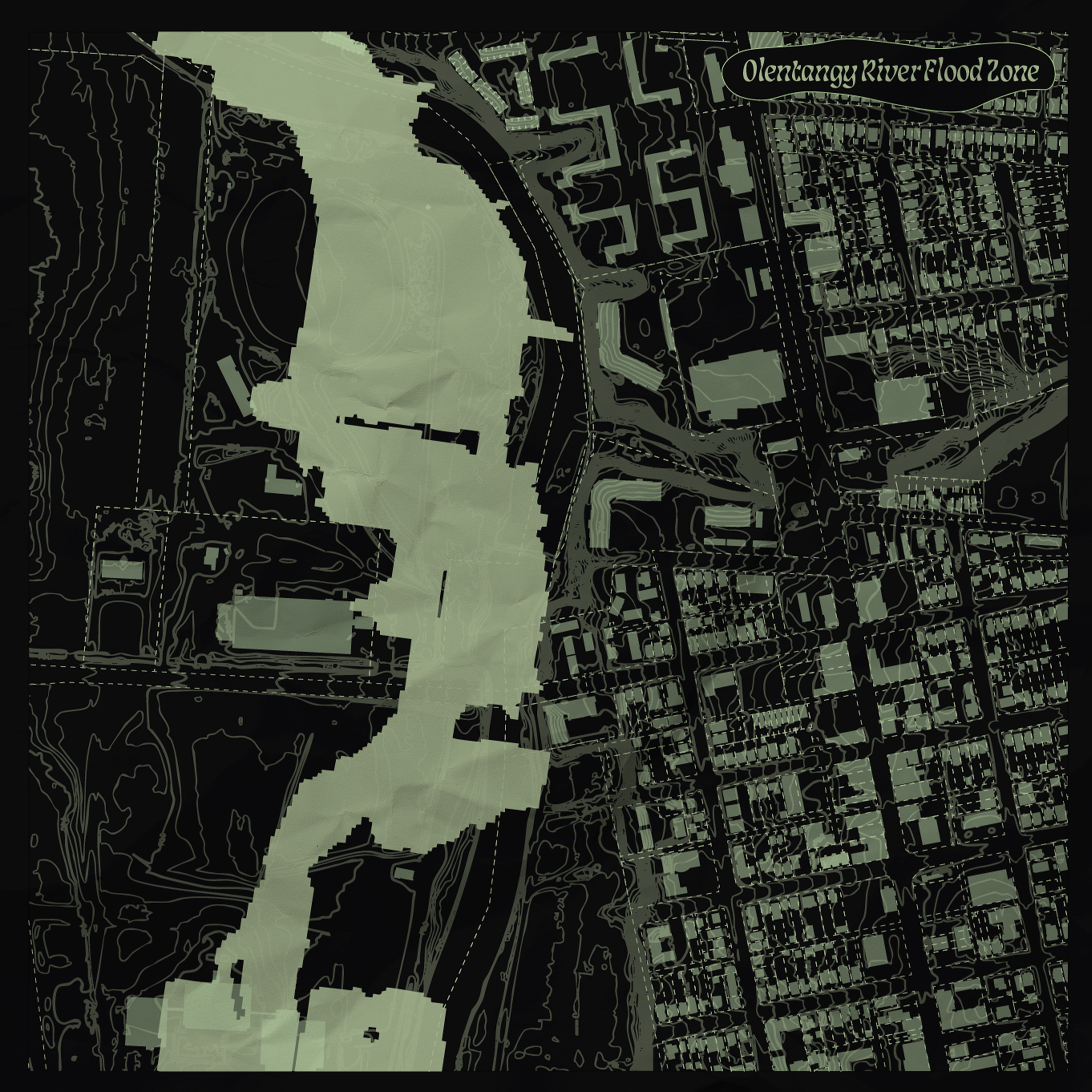
Drawing Exercise by Nate Worrel
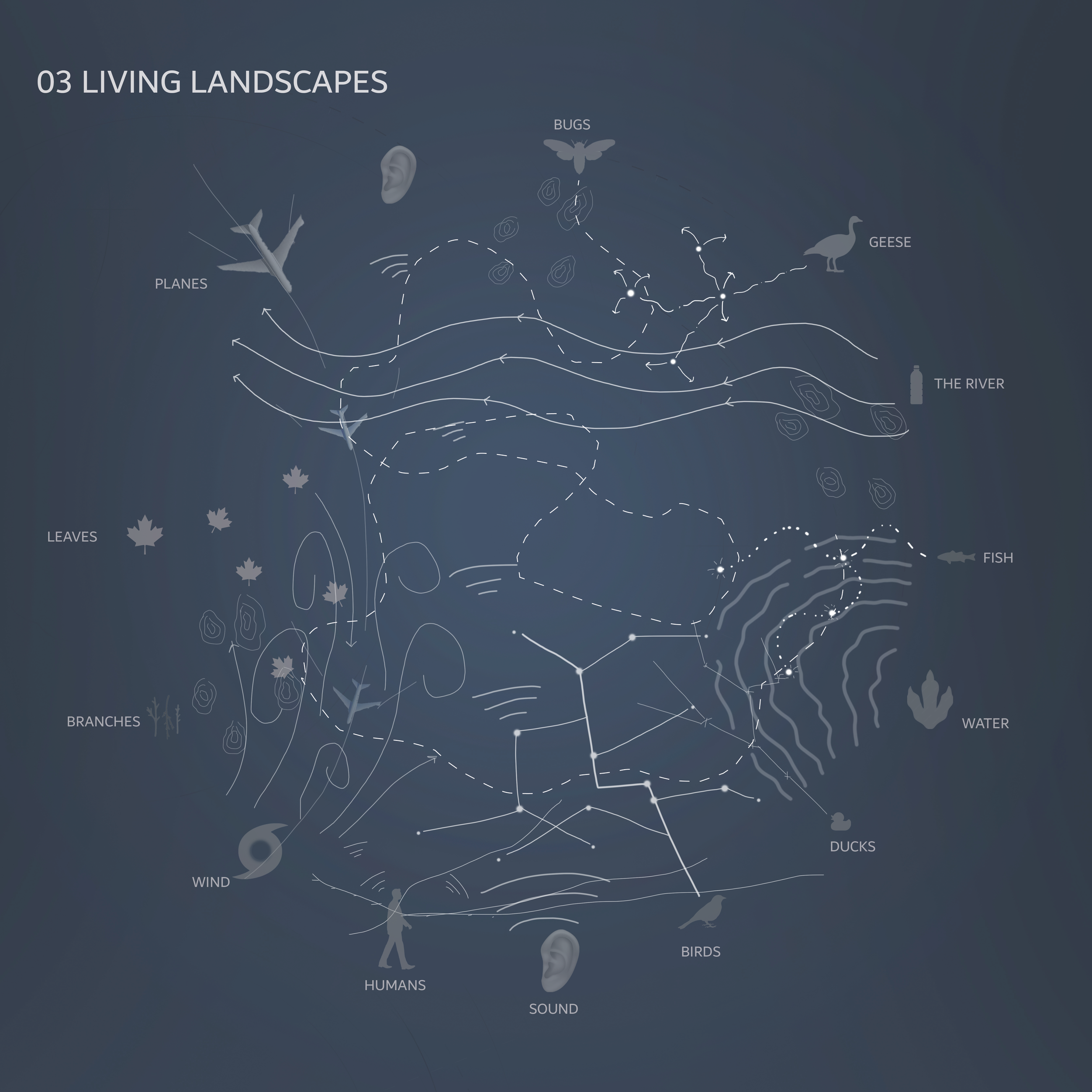
Drawing Exercise by Mason Harper
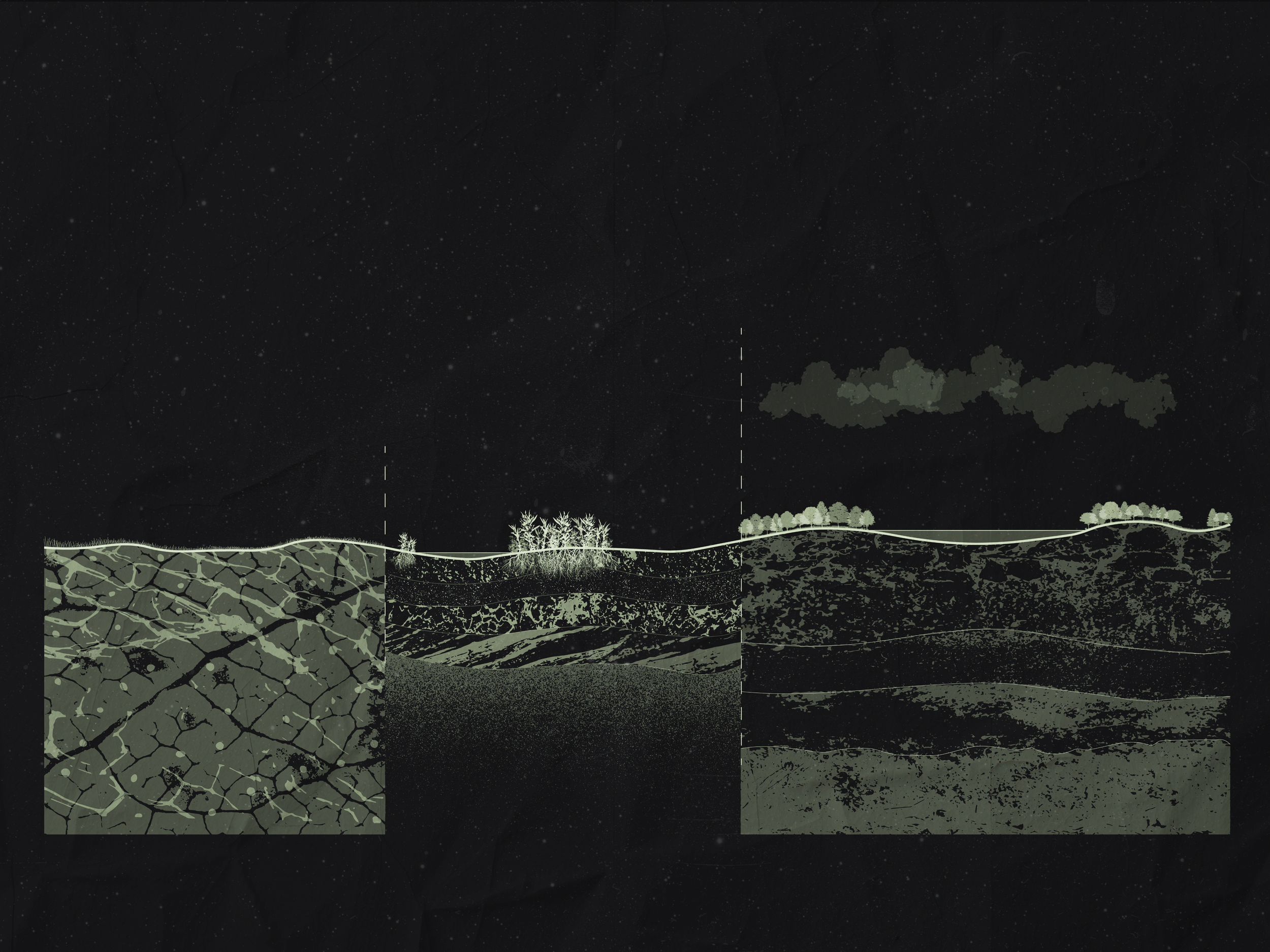
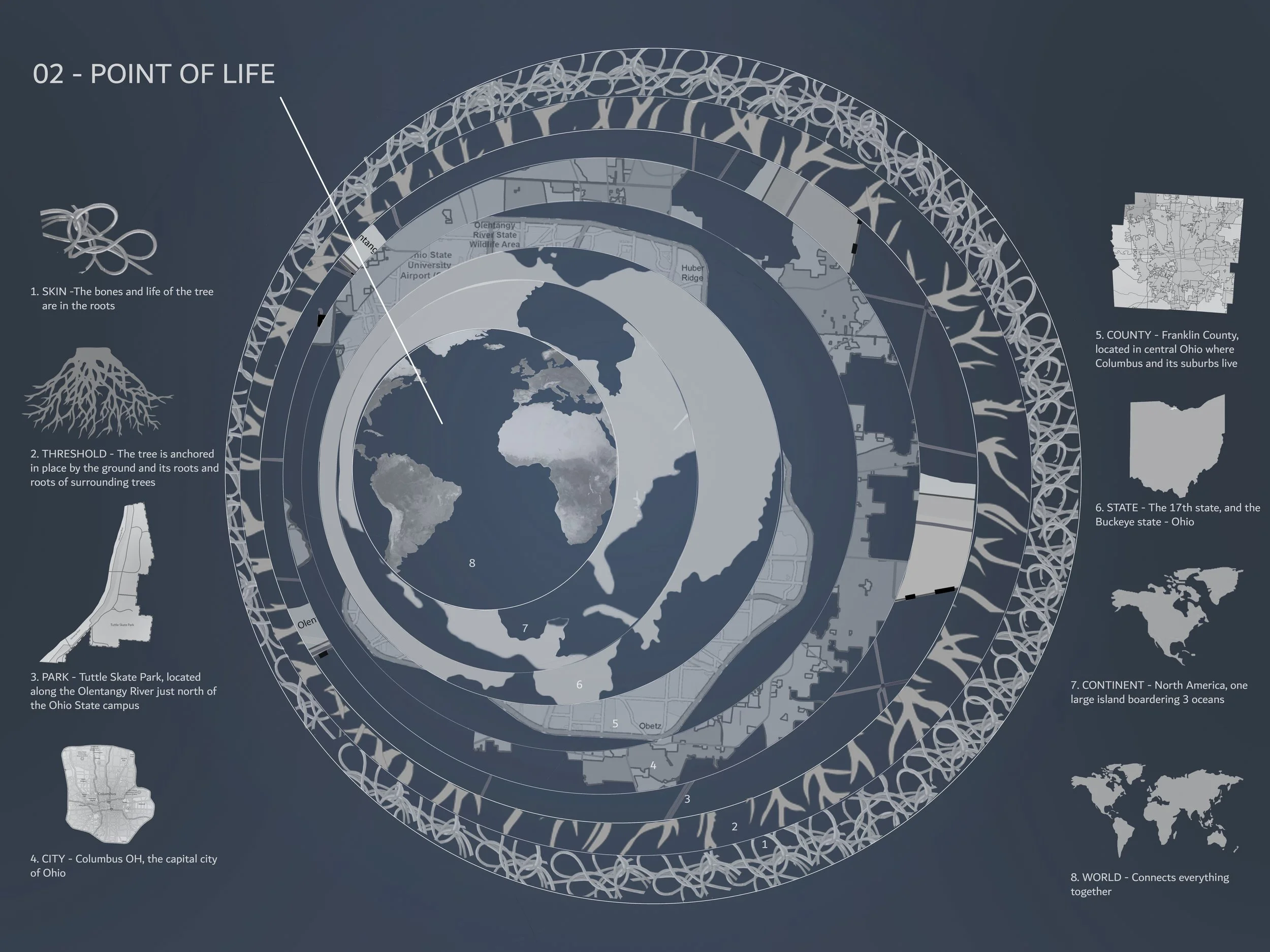
Animation by Allison Swanka
Tending Tomorrow: Imagination and Practice in an Age of Uncertainty (seminar)
description: Earth’s systems are in constant flux and in the anthropogenic age, uncertainty about models and solutions are a part of our daily lives. As landscape architects who are immersed in the realities of earth and material systems we should be practiced in the character and feelings of uncertainty. In this class we will read about, explore, and probe landscapes and human interactions with the landscape that provoke uncertainty, cognitive dissonance, solastalgia, and moral injury – these words a new vocabulary for our times have material truths in our landscapes and experiences. Even if difficult, uncertainty can be a meditation and an exploration – and so we will actively work to expand our individual and collective imaginations, hopeful responses, and values. By delving into landscapes as both places and products of uncertainty we will attempt to cultivate care for place and the self in an age of uncertainty.
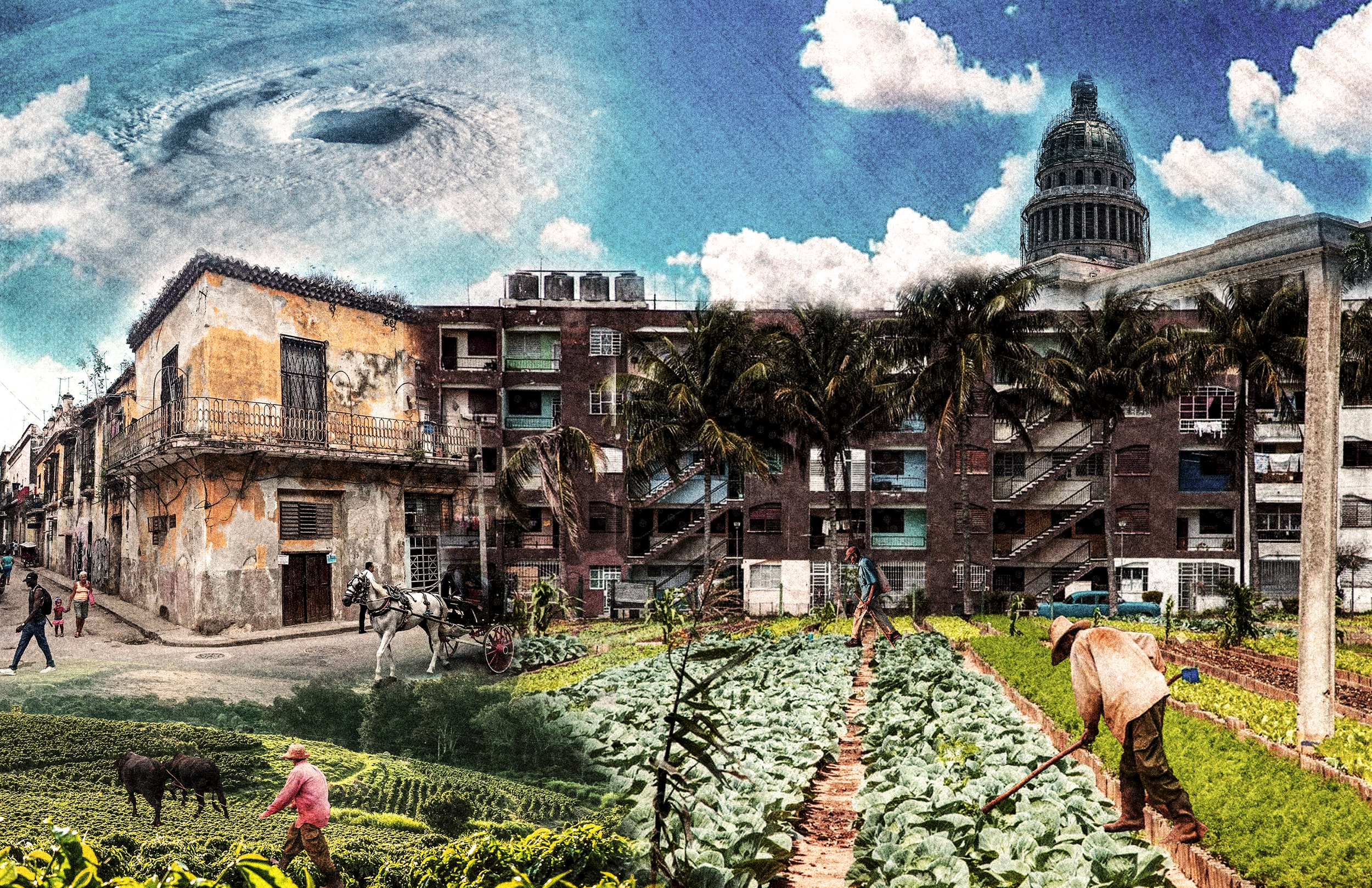
Nate Worrell
Carbon and Craft (seminar)
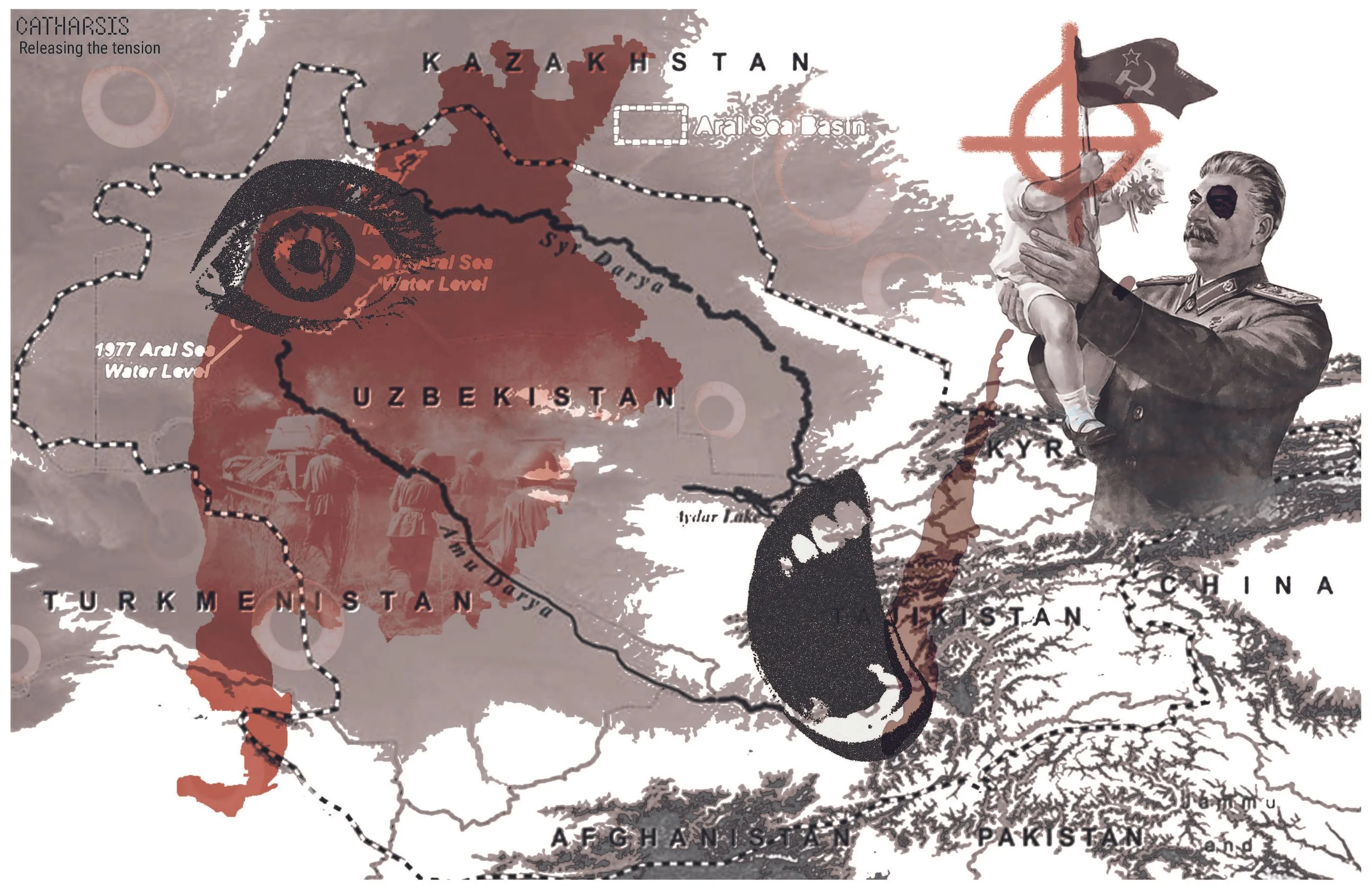
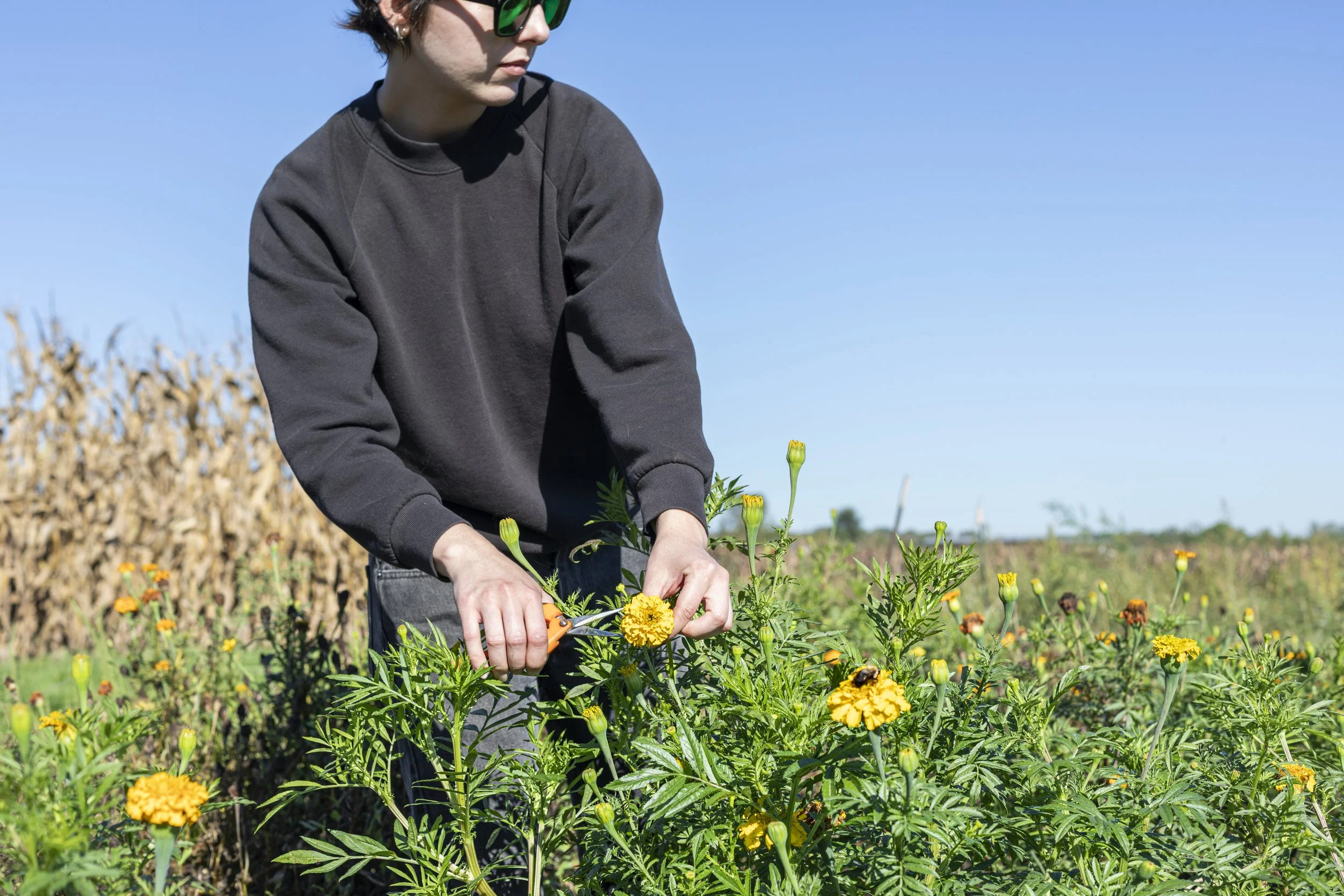
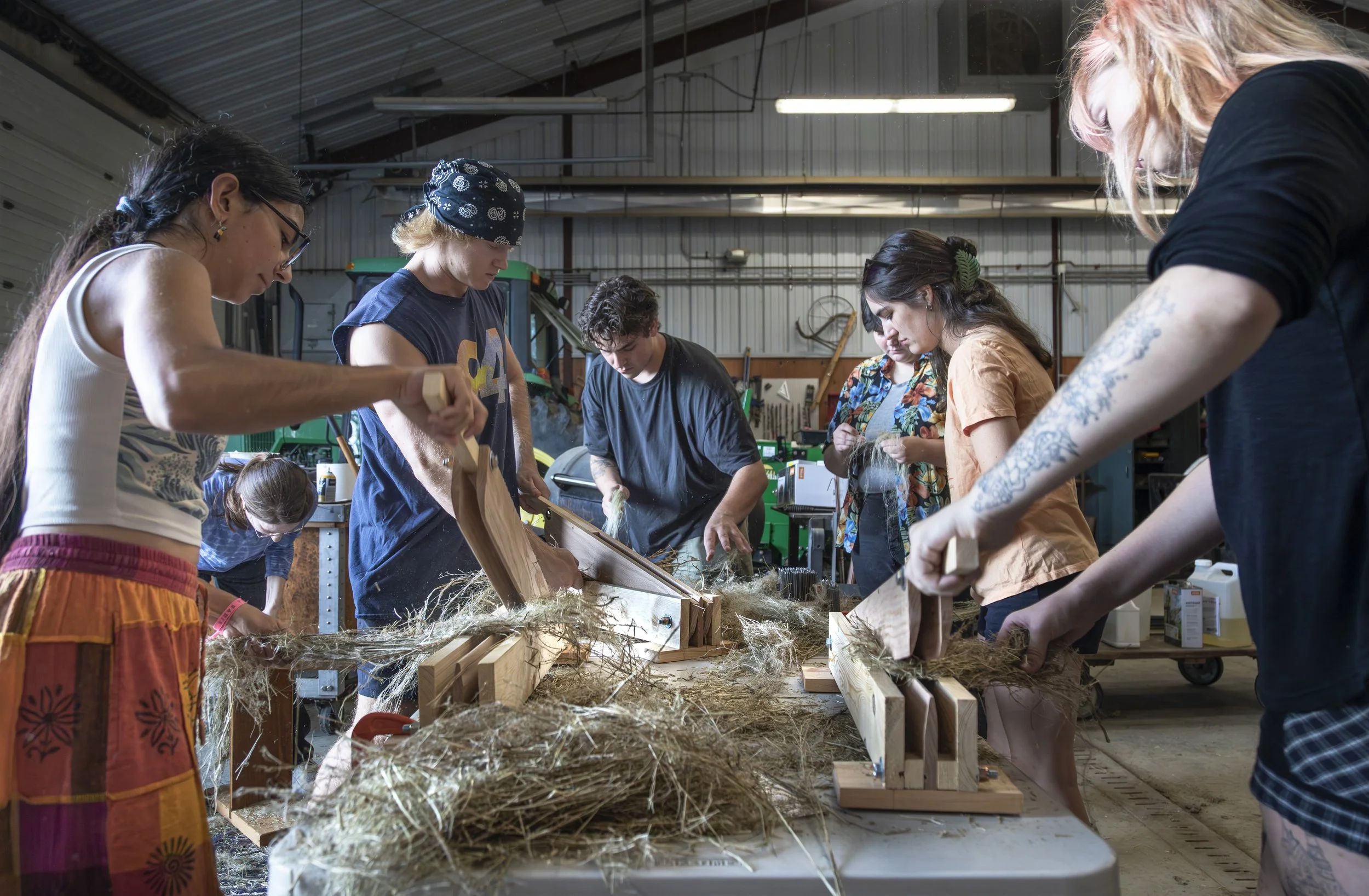
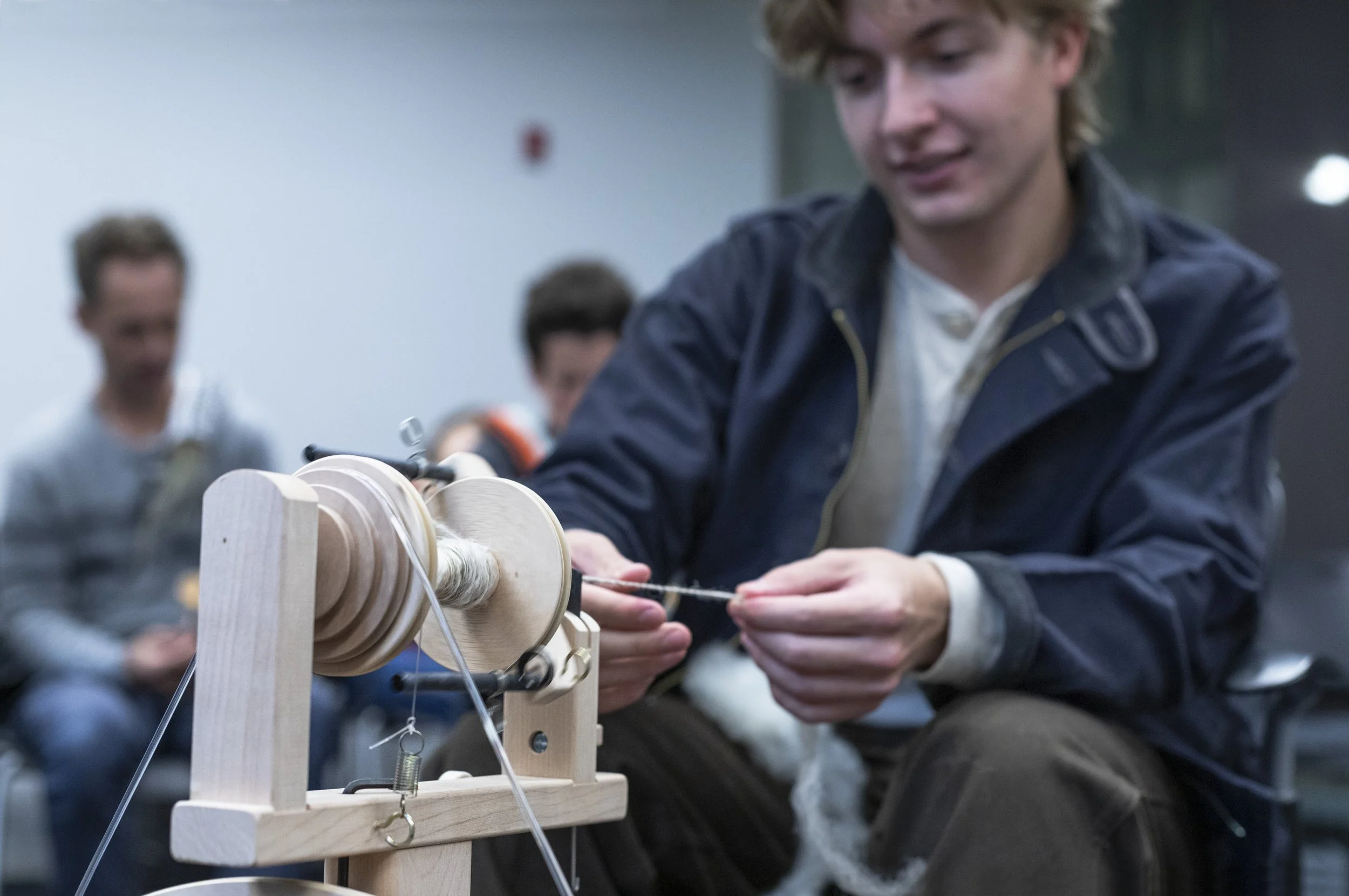
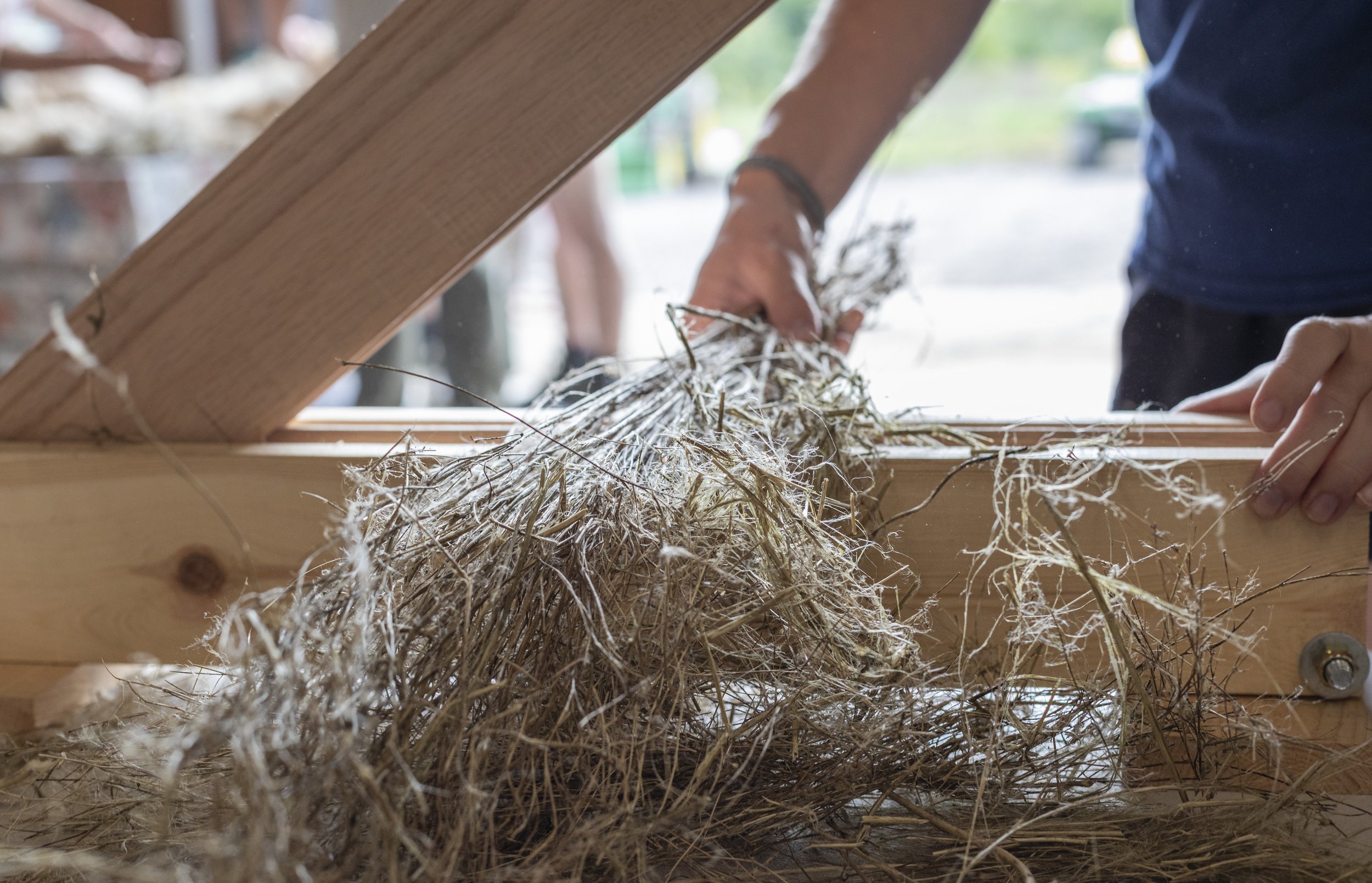
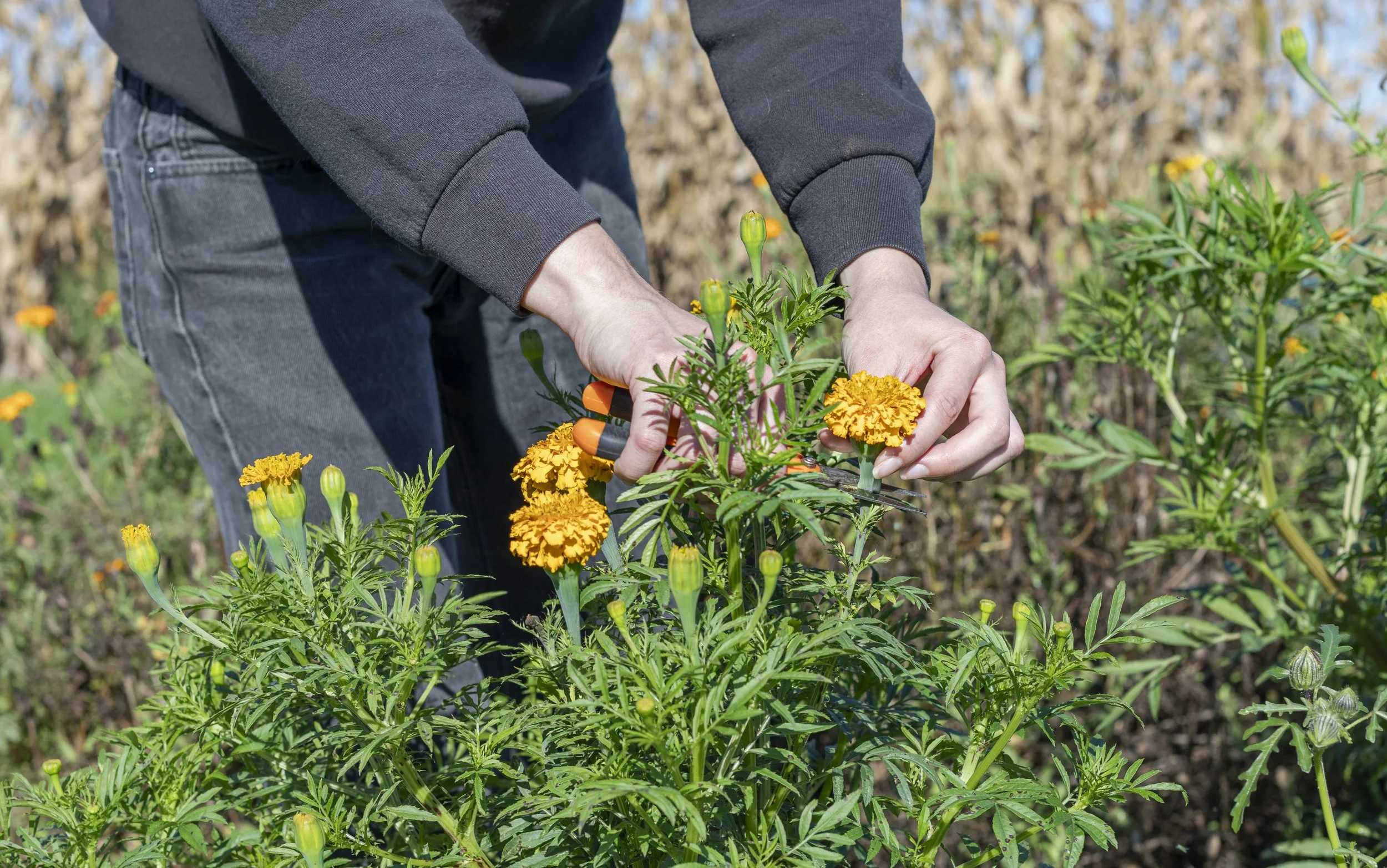
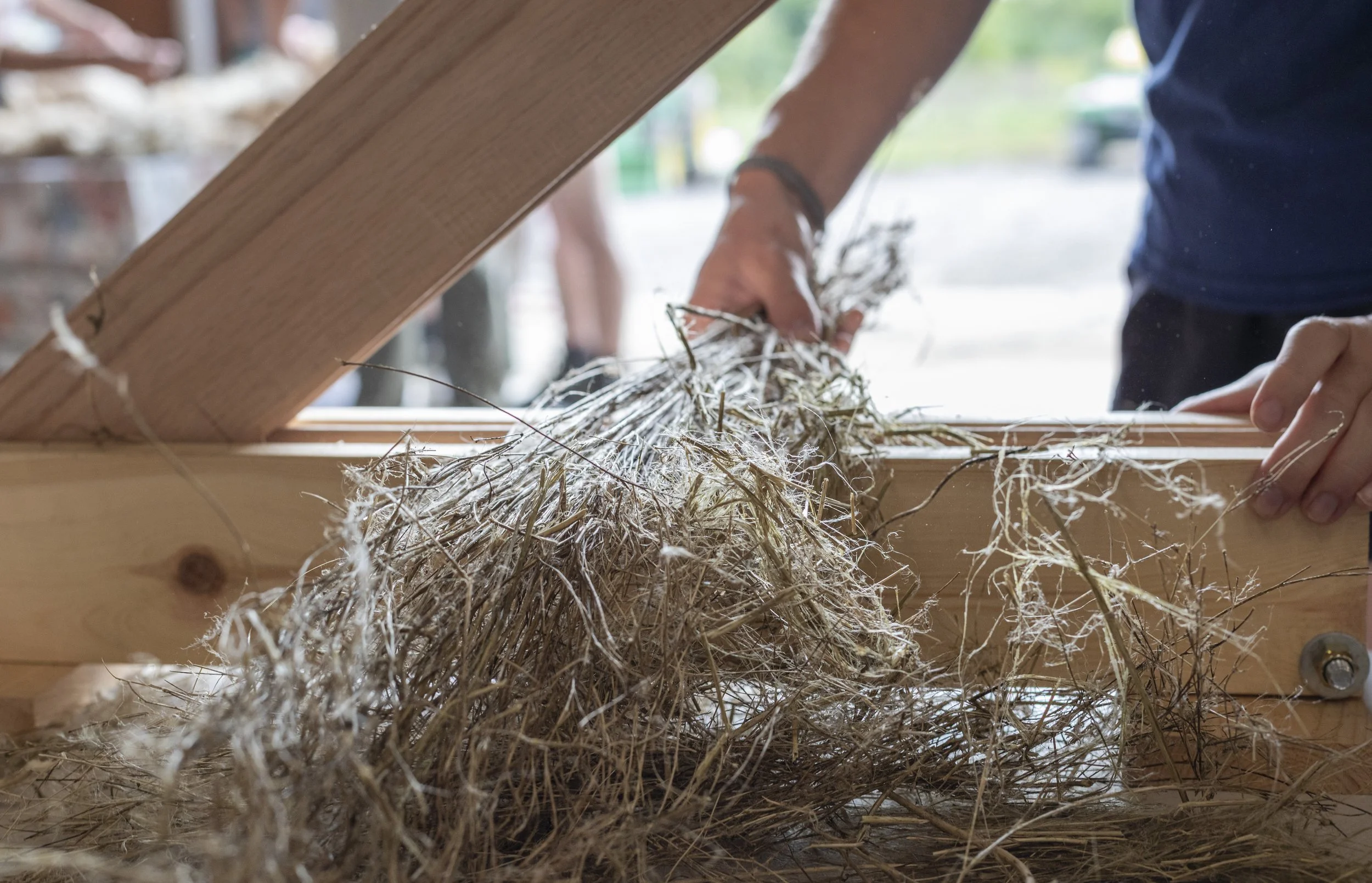
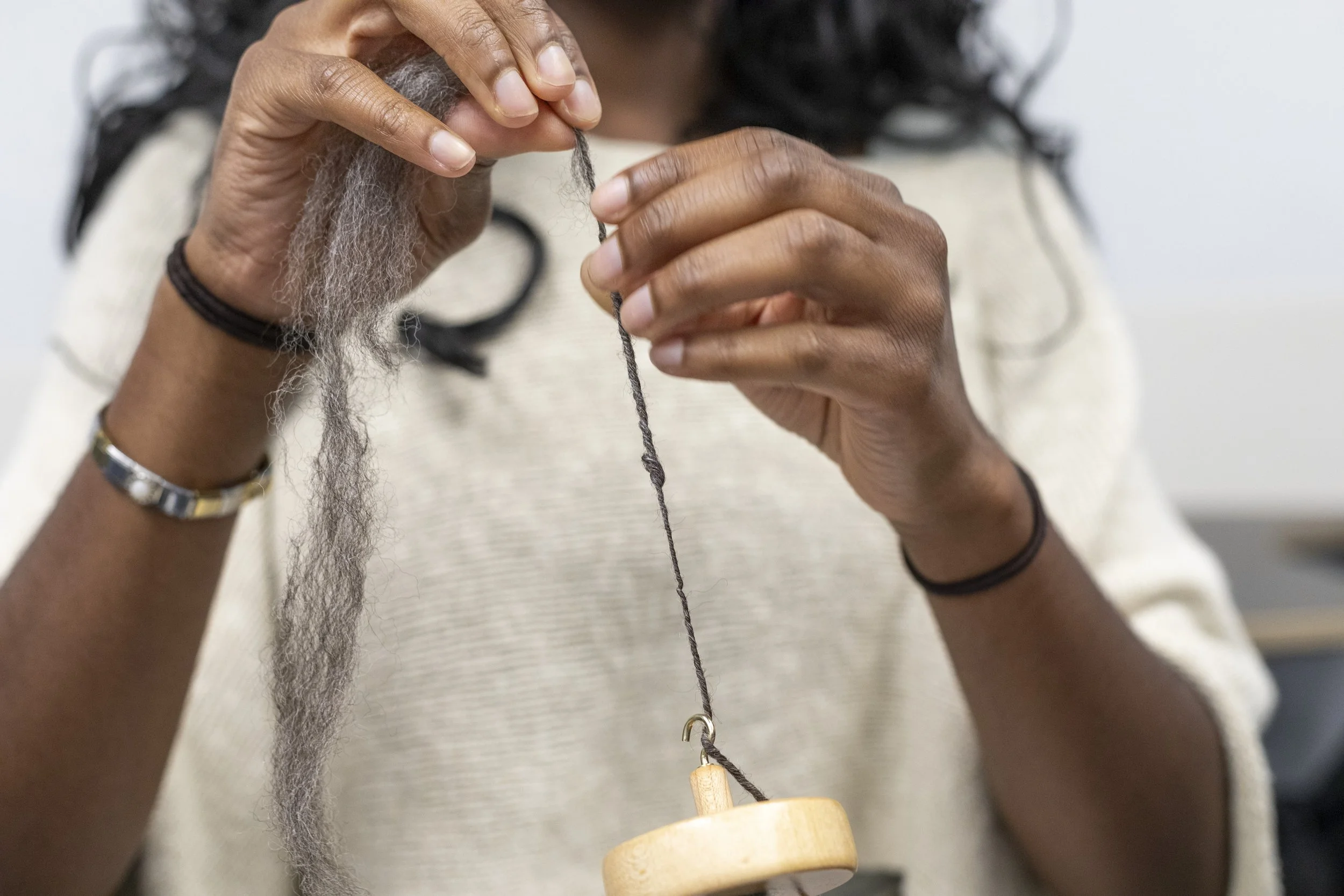
description: This course will weave our connection to the Earth and carbon-based life through textiles. We will begin by looking at biological carbon – we will learn about the miraculous beings around us that eat sunlight and grow stalks, cotton bolls, and flowers that turn into textiles. We will learn about the history of people using plant fibers to produce materials from nets and cordage to silks and sweaters. We will look at the historical and cultural impact of textile production on landscapes and people. We will examine human ingenuity through work – by going to Waterman Farm and harvesting, retting, breaking, and scutching flax, carding wool, spinning and weaving – we will know the labor and metabolism required to transform plants into fibers without many fossil fuel inputs. We will build and use simple tools to assist our work and compare our processes to industrial modes of production. The result of all our work will be a contribution to the Rustbelt Fibershed’s One Year One Outfit project.
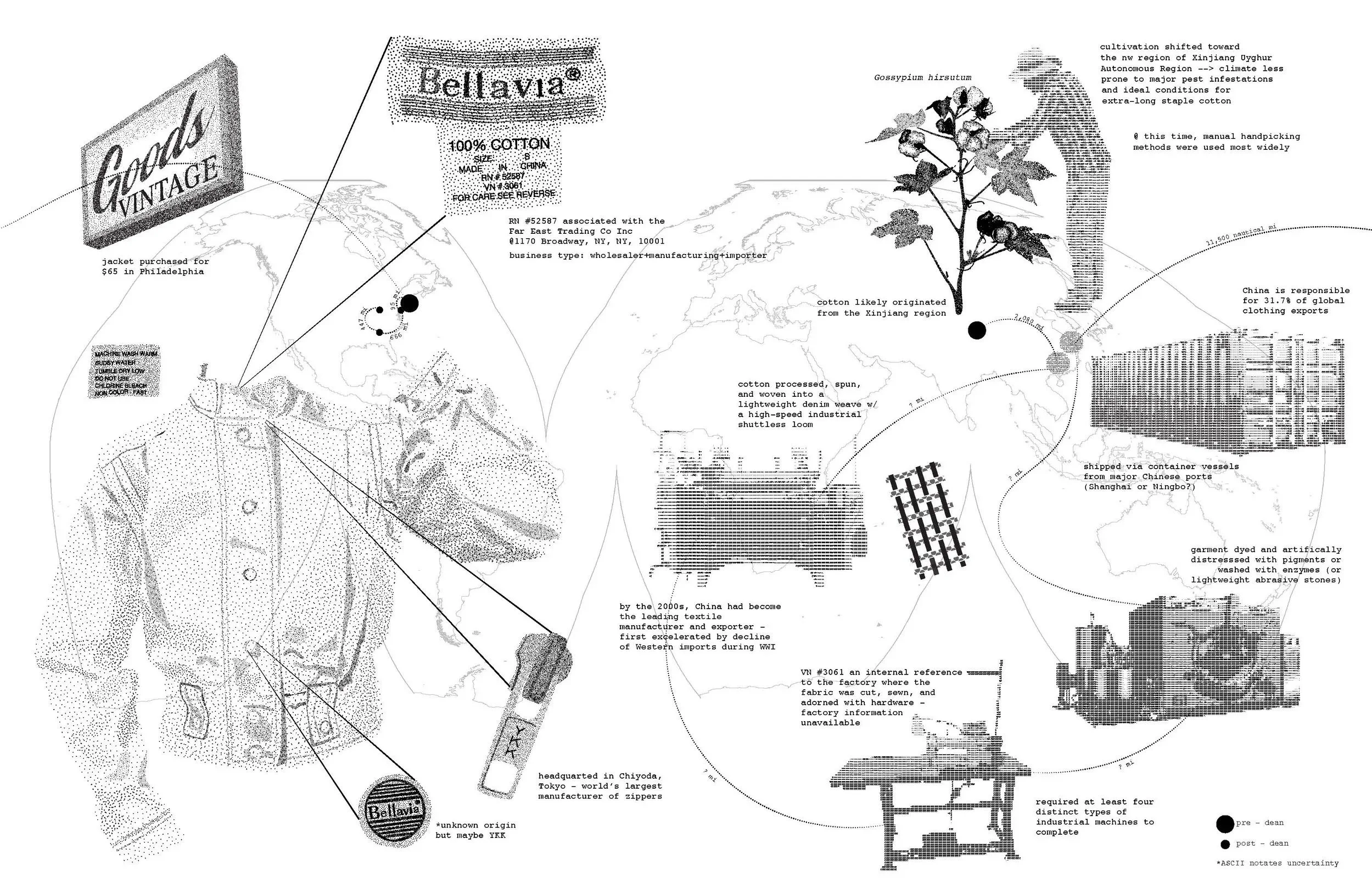
Dean Hjerpyn
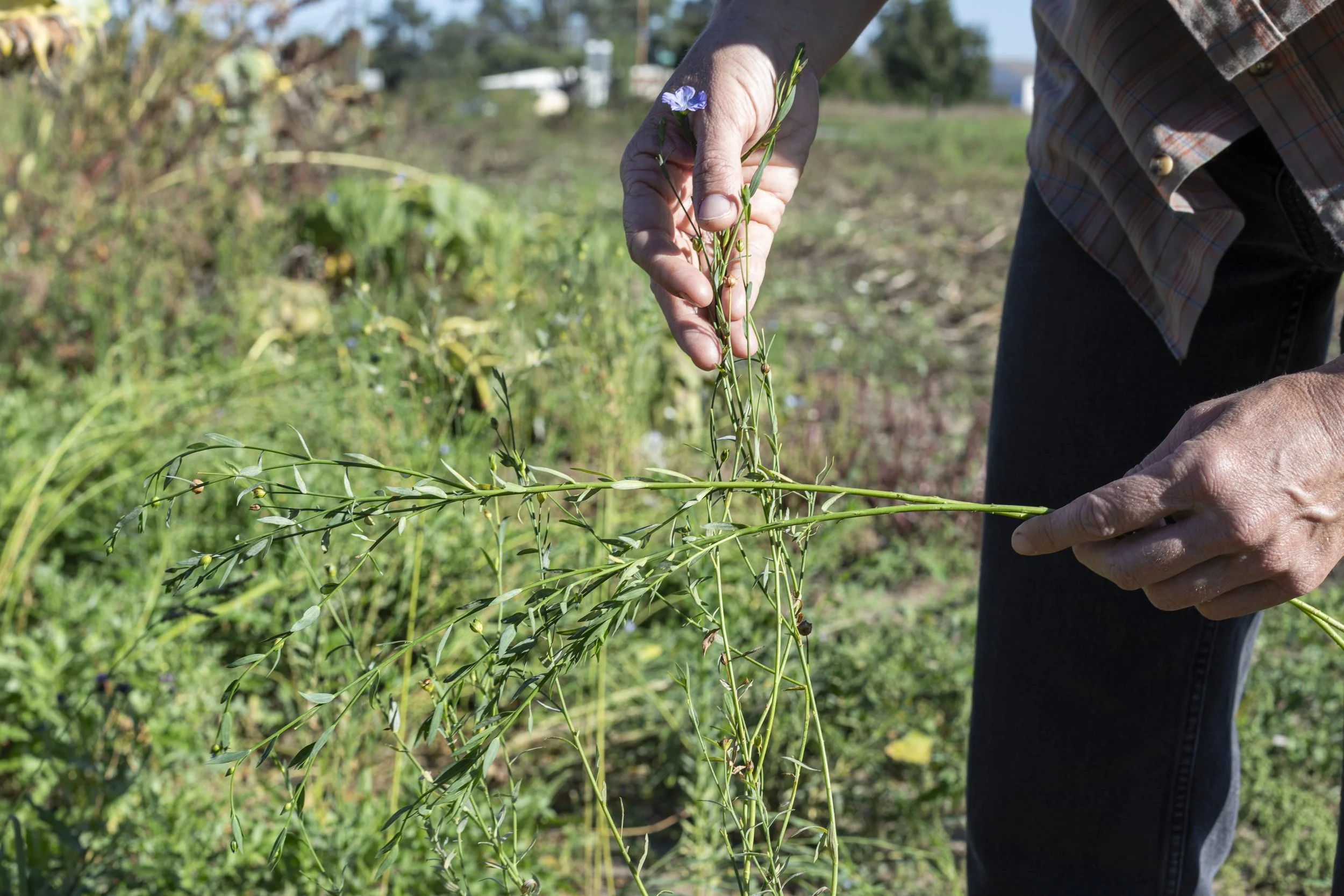
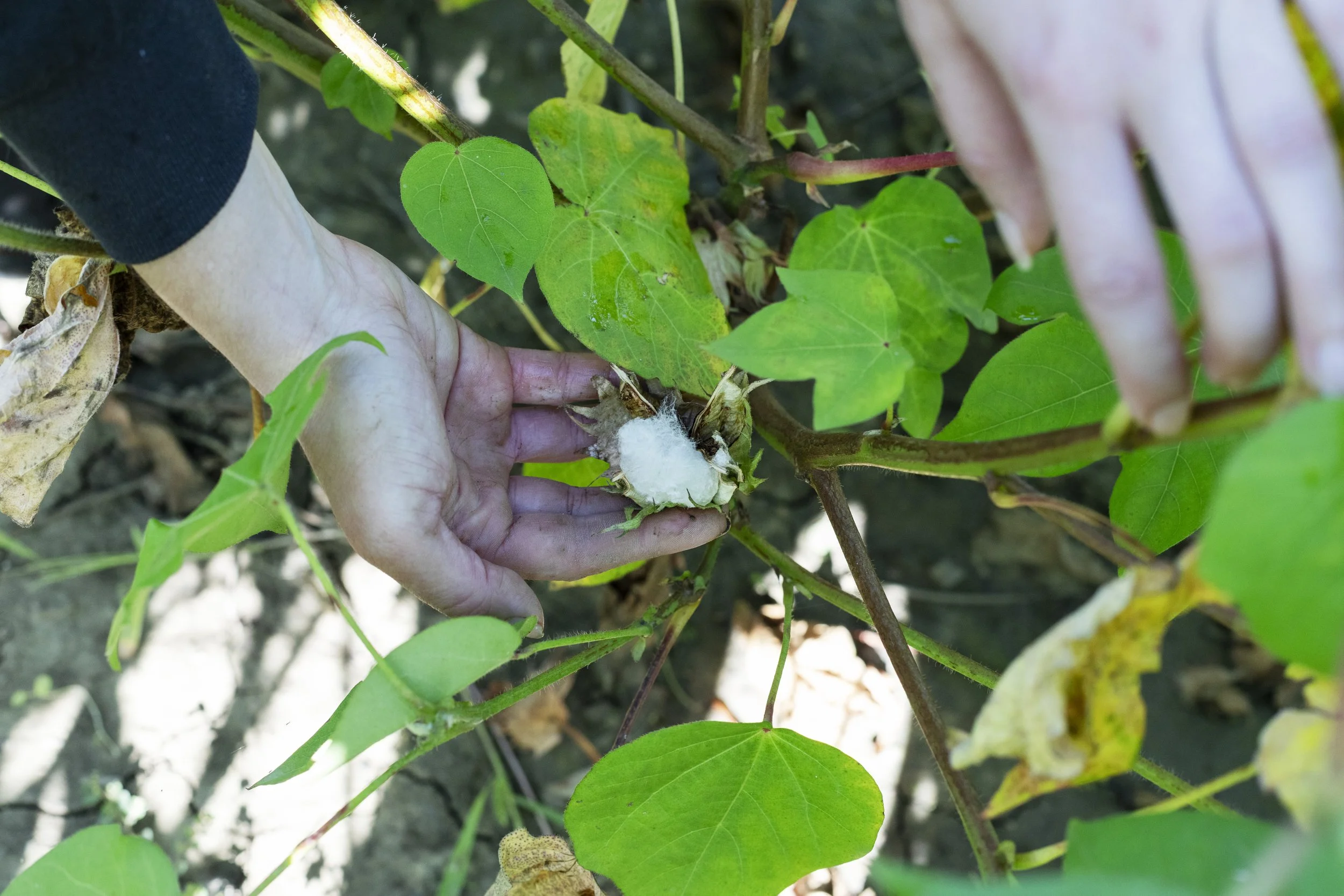
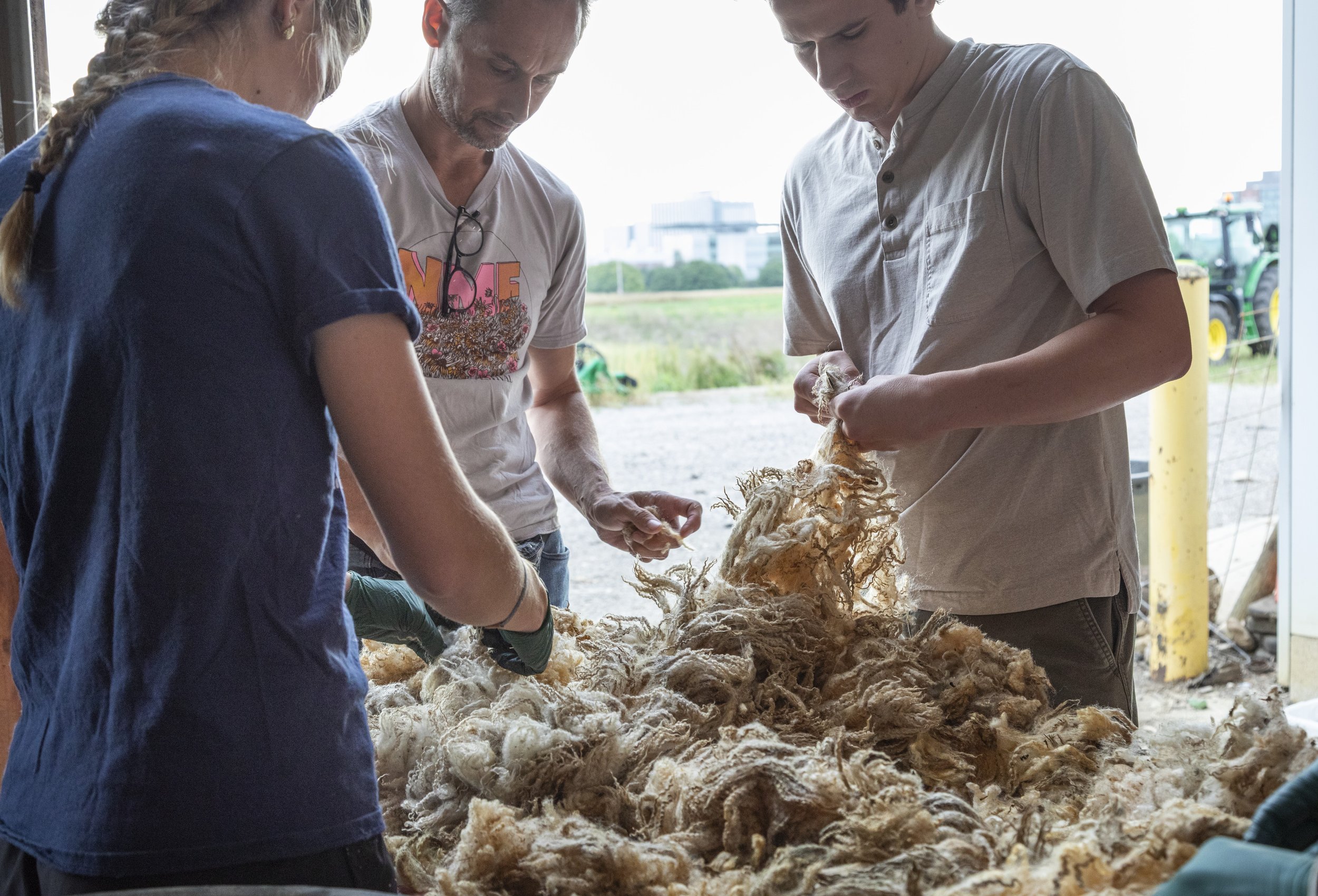
all photos taken by Phil Arnold
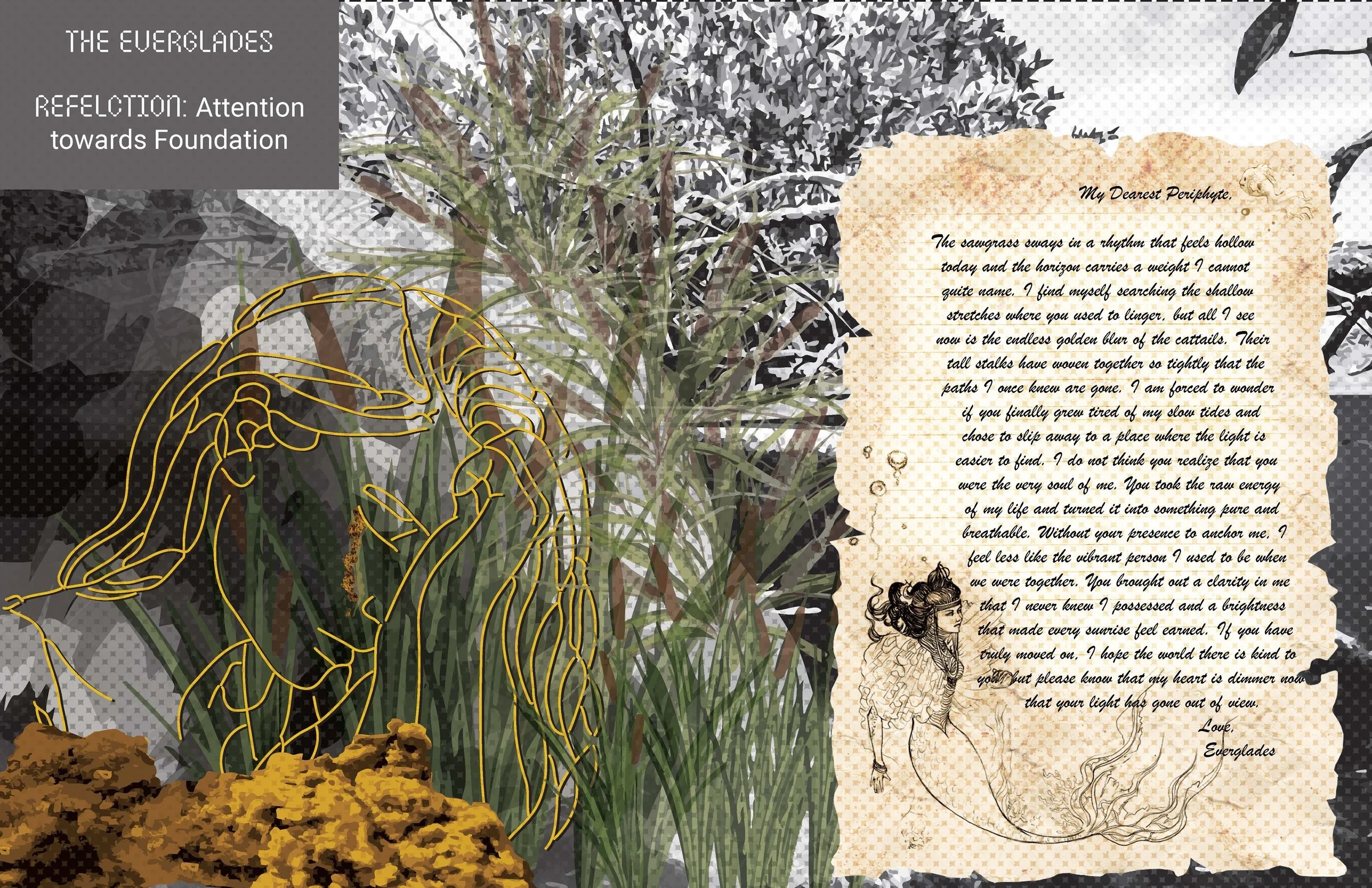
Gabbie McCreary
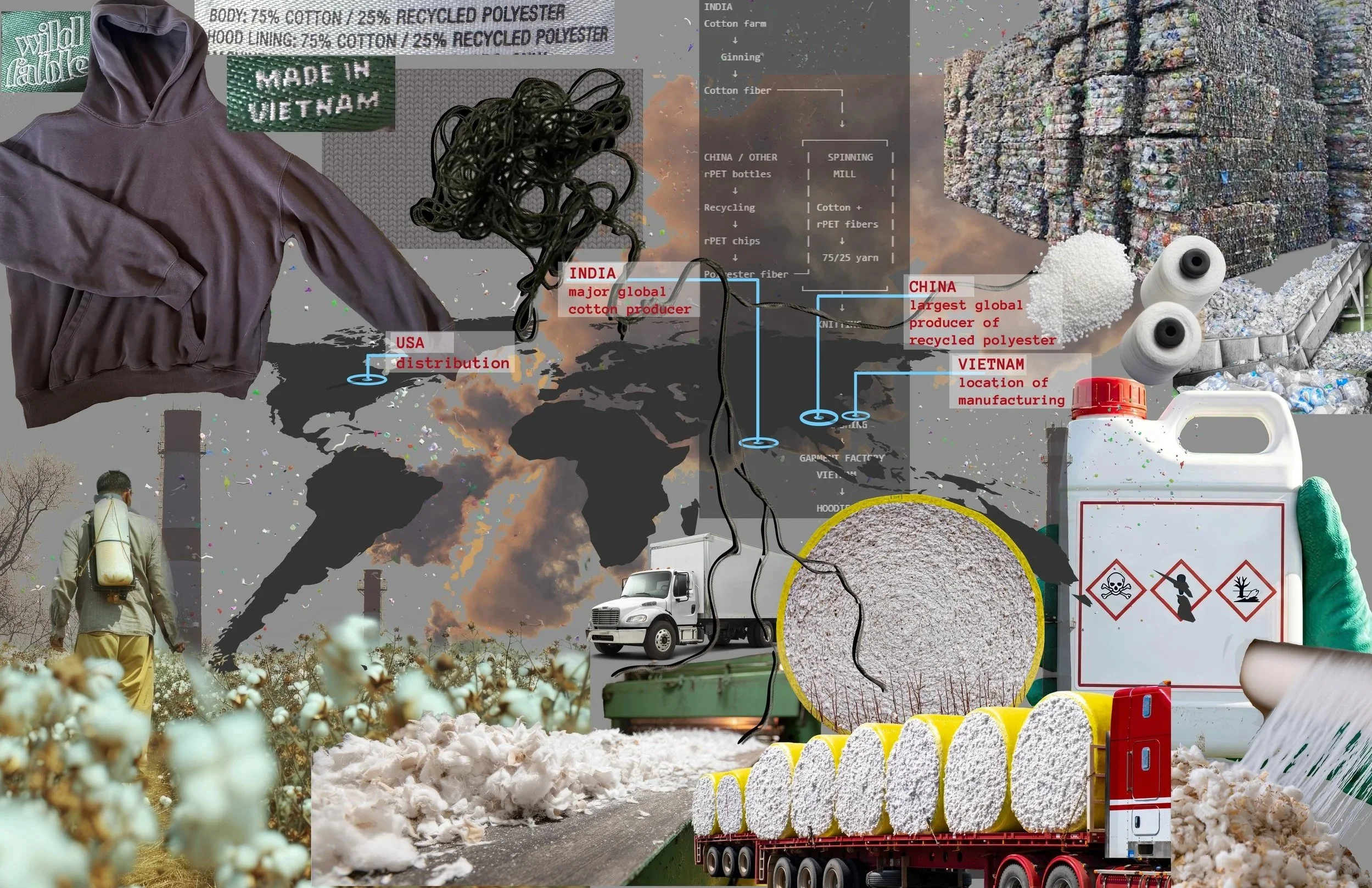
Hannah Bertison
Mo White
Sophia Novo